2026 How to Choose the Best Logistics Solutions for Your Business?
In today’s competitive market, choosing the best logistics solutions is essential for business success. The right logistics can transform operations, cut costs, and improve customer satisfaction. Companies face various options, making the decision process daunting.
Logistics solutions impact delivery times, efficiency, and overall performance. For instance, a reliable provider can streamline warehousing and transportation. However, not all solutions suit every business model. Some businesses may struggle to adapt to complex logistics, leading to inefficiencies.
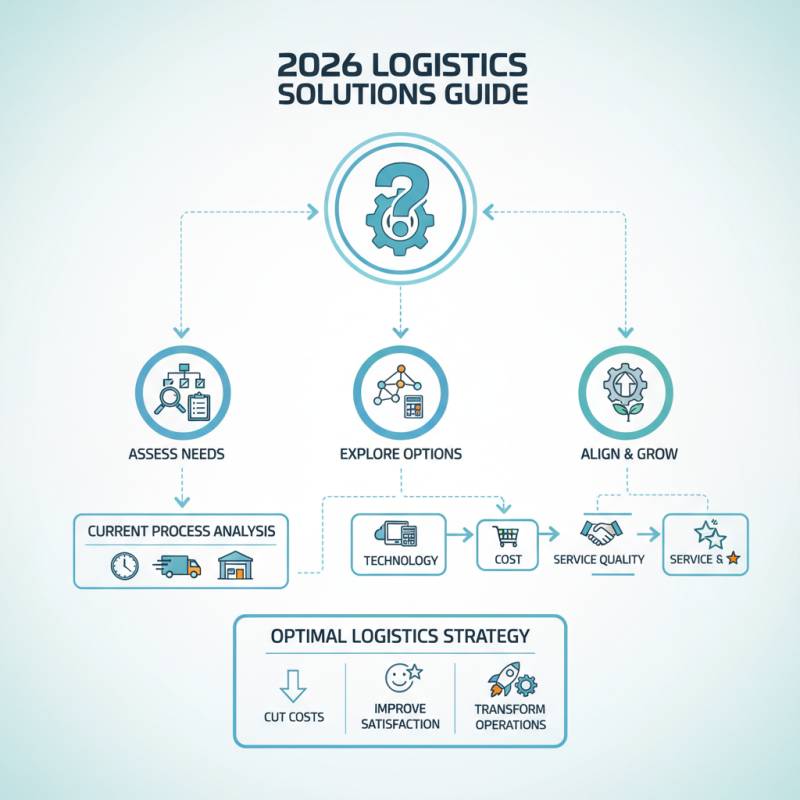
It’s vital to assess your specific needs before choosing logistics solutions. Analyze current processes and identify areas needing improvement. Explore different providers, considering technology, cost, and service quality. Ultimately, the best logistics solutions align with business goals and enhance growth opportunities.
Understanding Your Business Logistics Needs
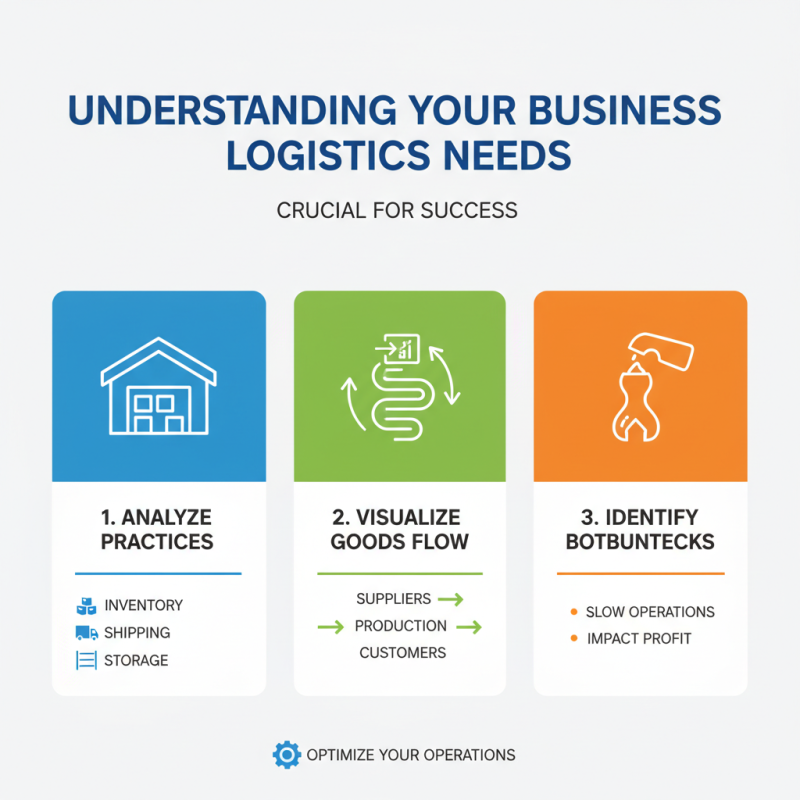
Understanding your business logistics needs is crucial for success. Each company has unique requirements. You must analyze your inventory, shipping, and storage practices. Think about the flow of goods. How do products move from suppliers to customers? Identify any bottlenecks. These can slow down your operation.
Next, assess the technology you currently use. Is it meeting your needs? Sometimes it falls short. Consider how you can improve efficiency through automation or better tracking. This is essential to meet customer demands on time. Engage with your team for input. They can provide insights on daily challenges.
Finally, reflect on costs. A solution might initially seem affordable but may lead to hidden expenses. Weigh the benefits against the potential drawbacks. This kind of reflection can help avoid costly mistakes. Logistics is complex, but understanding your specific needs can lead to informed decisions.
Identifying Key Features of Logistics Solutions
When choosing logistics solutions, identifying key features is crucial. Efficiency is paramount. Timely deliveries can significantly boost customer satisfaction. Automated tracking systems provide real-time updates. This transparency helps businesses and customers stay informed. A user-friendly interface simplifies operations for your team. If your staff struggles with the software, errors may occur.
Cost-effectiveness is another important feature. Analyze your budget against potential solutions. What are the hidden costs? Compatibility with current systems is vital, but often overlooked. Ensure your logistics solution integrates smoothly. Otherwise, these interfaces can lead to delays and complications.
Scalability is worth considering as well. As your business expands, can your logistics solution keep up? Flexibility in shipping options allows adjustments to meet demand changes. Consider the customer service aspect, too. Responsive support can prevent logistical nightmares. These elements must align with your business goals and operations. Each feature plays a role in shaping your logistics strategy.
Evaluating Costs and Budget Considerations
When choosing logistics solutions, evaluating costs and budget is crucial. Start by outlining your current expenses. Identify areas where expenses can be reduced. Take a close look at shipping rates, storage costs, and packaging expenses. This will help create a clearer budget framework for logistics.
Tips: Keep a detailed record of your logistics expenses. Analyze these records regularly to spot trends. A simple spreadsheet can help track this information effectively.
It can be tempting to choose the cheapest solution. However, low costs do not always equal high quality. Sometimes, you may find yourself spending more on damages and delays. Evaluate whether the potential savings are worth the risk.
Tips: Consider long-term contracts with logistics providers. They often come with lower rates. Make sure to read the fine print. Hidden fees can erode your budget quickly. Always ask for a breakdown of costs before committing.
2026 Logistics Solutions Cost Evaluation
Comparing Providers and Their Offerings
When choosing logistics solutions, comparing providers is crucial. Each provider offers different services, pricing structures, and areas of expertise. For instance, one may excel in local distribution while another focuses on international shipping. It's important to understand your business's specific needs first. This step often gets overlooked, leading to mismatches.
Evaluate providers based on reviews and recommendations. Actual user experiences can shed light on a provider's reliability. However, not all feedback is accurate or relevant. Some reviews lack context, which may skew your perception. If possible, ask for references from similar businesses. Seeing how a provider performs in your industry can be enlightening.
Consider the technology that each provider uses. Modern logistics heavily relies on tracking systems and software integrations. It's vital to ensure that your chosen provider's technology aligns with your business needs. Sometimes, providers may boast advanced tech solutions, but their implementation may fall short. Investigating how these systems work in practice can illuminate potential weaknesses.
Ensuring Scalability and Flexibility in Logistics Solutions
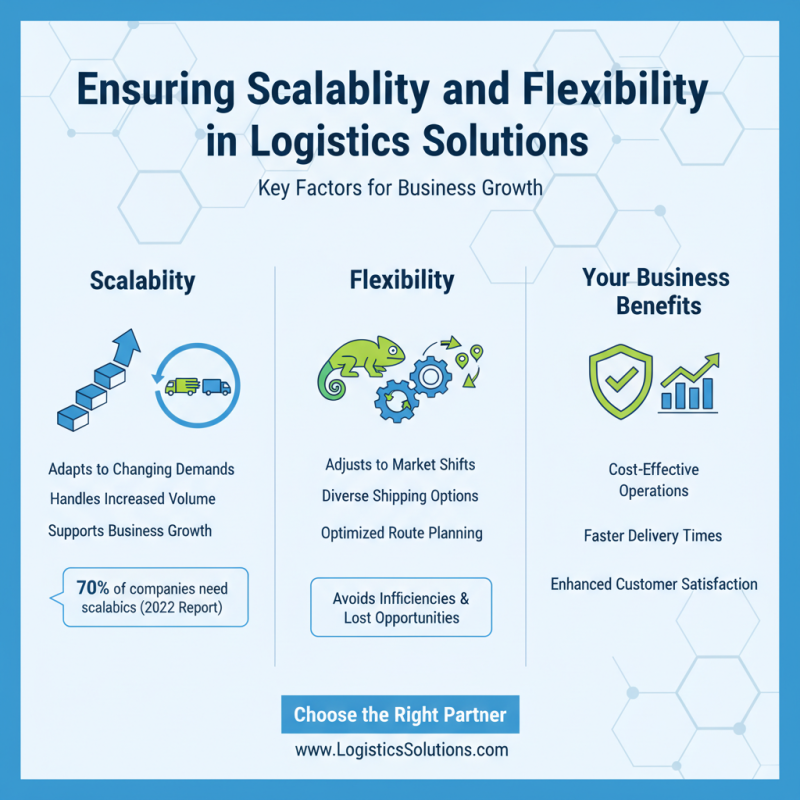
Selecting the best logistics solutions for your business is crucial. Scalability and flexibility are key factors. According to a 2022 report from the Logistics Management Institute, 70% of companies report a need for scalable logistics that adapts to changing demands. As businesses grow, their logistics must keep pace. A rigid logistics system can lead to inefficiencies and lost opportunities.
Flexibility allows companies to respond quickly to market changes. For example, during the pandemic, many businesses faced unprecedented challenges. Those with flexible logistics were better able to pivot and meet new consumer needs. A study from the Global Logistics Network found that firms emphasizing flexibility experienced a 25% improvement in operational efficiency. Relying on outdated practices can hinder growth. Companies should regularly assess their logistics framework.
Incorporating technology into logistics improves flexibility. Real-time tracking systems and adaptive supply chain networks empower businesses to make informed decisions. However, not all companies invest in these technologies. Some may hesitate due to costs or lack of understanding. This reluctance can create vulnerabilities. Ultimately, a balanced approach toward scalability and flexibility is essential. Evaluating current logistics solutions can reveal areas needing improvement.