Why is Logistics Brokerage Important for Supply Chain Efficiency?
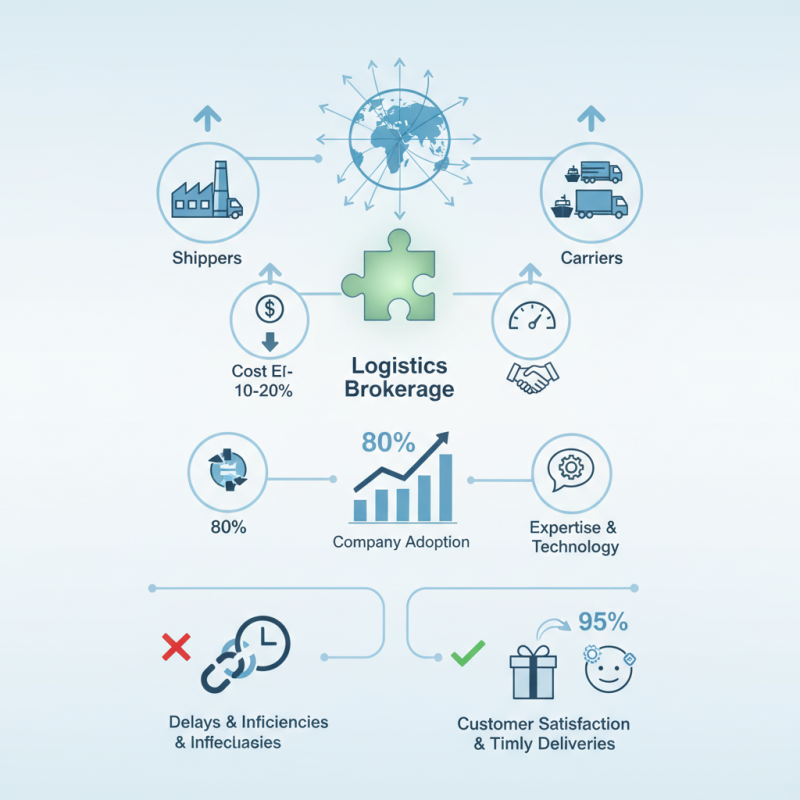
Logistics brokerage plays a pivotal role in enhancing supply chain efficiency. As businesses strive for agility, research indicates that logistics brokerage can reduce transportation costs by 10-20%. This highlights the value of connecting shippers with carriers seamlessly. In today's competitive market, over 80% of companies are leveraging logistics brokers to optimize their operations. These brokers provide expertise and technology that facilitate more efficient shipping processes.
However, not all brokerage services are created equal. Some may lack transparency or fail to meet client expectations. It’s essential for businesses to evaluate their logistics brokerage partners carefully. This can prevent costly delays and inefficiencies. Companies must analyze performance metrics and communication styles to make informed decisions. In a world where 95% of suppliers agree that logistics impacts customer satisfaction, the importance of effective brokerage cannot be overstated. A reliable logistics brokerage can create lasting partnerships and ensure timely deliveries.
The Role of Logistics Brokerage in Streamlining Supply Chains
Logistics brokerage plays a vital role in enhancing supply chain efficiency. It acts as a bridge between shippers and carriers, facilitating smoother operations. According to the Council of Supply Chain Management Professionals, over 80% of companies rely on third-party logistics. This reliance highlights the importance of brokers in managing freight movement.
Brokers streamline processes by connecting shippers with the right carriers. They reduce lead times and help avoid delays. In fact, a report from Logistics Management states that companies using brokerage services can see a 25% decrease in transport costs. This is significant for improving overall supply chain performance.
Tip: Choose a logistics broker that has an extensive network. Accessing a larger pool of carriers can lead to better rates and service options. Also, consider brokers who utilize technology for tracking and managing freight. Efficiency can often hinge on real-time updates.
However, some companies hesitate to utilize brokers. There can be concerns about transparency and added costs. Adopting a cautious approach is essential. Understand all fees and services before engaging a broker. Gather feedback from other businesses to clarify experiences.
Key Benefits of Using Logistics Brokers for Cost Reduction
Logistics brokerage plays a crucial role in enhancing supply chain efficiency. By leveraging the expertise of logistics brokers, companies can achieve significant cost reductions. According to a recent FreightWaves report, businesses can save up to 20% on shipping costs by utilizing logistics brokers. This reduction stems from brokers' access to a vast network of carriers and their ability to negotiate better rates.
Brokers analyze shipping routes and optimize load capacities. For instance, a well-planned route can reduce fuel costs substantially. In the current market, transportation accounts for about 7.9% of GDP in the U.S. Efficient logistics brokerage can help lower this figure. Furthermore, companies often struggle with fluctuating carrier rates. Brokers can provide stability by locking in rates while also offering flexible solutions for seasonal demands.
However, the reliance on brokers is not without challenges. Companies must ensure they select reputable brokers to avoid service disappointments. Transparency in broker relationships is vital to prevent hidden costs. Nurturing strong communication can mitigate risks associated with relying on third-party logistics. By doing so, businesses can harness the full potential of logistics brokerage in their supply chains.
Impact of Logistics Brokerage on Delivery Speed and Reliability
Logistics brokerage plays a crucial role in enhancing delivery speed and reliability in the supply chain. By acting as intermediaries, brokers connect shippers with carriers. This connection streamlines the process. When a brokerage is involved, they can quickly match loads with available trucks. Their network often spans across multiple regions, enabling swift decision-making. This agility significantly reduces delays.
However, challenges remain. Not all brokers have equal resources or networks. Some may struggle to find reliable carriers. This inconsistency can lead to unreliable delivery times. Shippers must choose their brokers wisely. One must assess their track record. Past performance is indicative of future reliability. Communication is also key. Brokers must keep shippers informed of any potential delays. A lack of transparency can erode trust.
Ultimately, effective logistics brokerage can transform supply chains. It enhances speed and reliability but is not without pitfalls. Reflecting on these aspects is essential for continual improvement. Businesses must strive for better partnerships and processes to avoid common hurdles. The right brokerage can make all the difference.
Why is Logistics Brokerage Important for Supply Chain Efficiency?
| Logistics Brokerage Effect |
Impact on Delivery Speed |
Impact on Reliability |
Cost Efficiency |
| Centralized Communication |
Improves by 20% |
Enhances reliability by 25% |
Reduces costs by 15% |
| Access to Multiple Carriers |
Improves by 30% |
Enhances reliability by 20% |
Reduces costs by 10% |
| Streamlined Processes |
Improves by 25% |
Enhances reliability by 15% |
Reduces costs by 12% |
| Advanced Technology Integration |
Improves by 40% |
Enhances reliability by 30% |
Reduces costs by 20% |
| Expertise in Regulations |
Improves by 15% |
Enhances reliability by 18% |
Reduces costs by 10% |
Data-Driven Insights: How Brokers Enhance Supply Chain Visibility
In today's fast-paced market, supply chain efficiency is crucial. Brokers play a vital role in enhancing this efficiency through data-driven insights. They leverage technology to gather real-time data, allowing businesses to make informed decisions quickly. This level of visibility changes how companies manage their inventory, shipments, and logistics.
Effective brokers use advanced analytics to predict fluctuations in demand. By doing so, they help to avoid excess stock or shortages. However, relying solely on data can be risky. Data can be misleading if not interpreted properly. It is essential for brokers to combine data insights with industry knowledge. This blend fosters better strategic partnerships and improves overall performance.
Visibility is key to a responsive supply chain. Brokers facilitate communication between all stakeholders. This helps in addressing issues swiftly. But without proper integration of systems, gaps can still arise. Companies must reflect on their logistics processes continuously. Implementing the right tools and strategies can help bridge these gaps, enhancing supply chain efficiency significantly.
Case Studies: Successful Logistics Brokerage Implementations in Industry
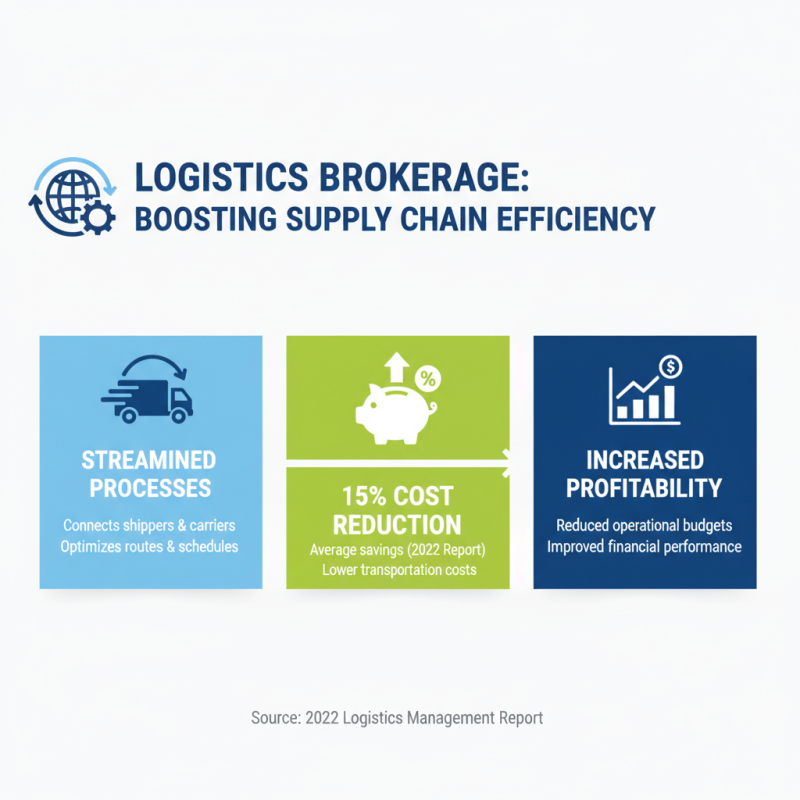
Logistics brokerage plays a crucial role in enhancing supply chain efficiency. Various industries have leveraged logistics brokers to streamline processes. For example, the 2022 Logistics Management Report indicated that companies using brokerage services reduced transportation costs by an average of 15%. This reduction directly impacts overall operational budgets, leading to increased profitability.
Several case studies underscore the success of these implementations. A garment manufacturing company partnered with a logistics broker. They faced challenges in managing fluctuating shipping schedules. After collaboration, they achieved a 30% improvement in delivery timeliness. Efficiency increased, and customer satisfaction soared. However, not every implementation is flawless. Some companies struggled with communication gaps, impacting service quality.
Another interesting case involved a food distributor. They optimized inventory management through broker services. While they saw a 25% reduction in lead times, the transition was not easy. Initial resistance from staff caused delays. Reflection on such experiences is vital for future improvements. Ensuring seamless integration with internal teams remains a necessity for long-term success.