In today's rapidly changing world, the logistics business is at the forefront of innovation. Companies must adapt to new technologies and evolving consumer demands. As e-commerce grows, logistics challenges become more complex. Efficient supply chain management is crucial for success.
Sustainability is gaining traction in the logistics business. Many companies seek green alternatives. This shift influences how products are transported and delivered. Embracing technology also impacts warehouse operations. Real-time tracking and automation enhance efficiency.
However, there are hurdles to overcome. Balancing cost and service quality remains a challenge. Companies must navigate these trends wisely to stay competitive. Reflecting on these changes can lead to better strategies. It encourages proactive responses in the logistics business landscape.

The logistics industry is experiencing a significant transformation with the emergence of AI and automation. Recent reports indicate that by 2025, up to 75% of logistics firms will integrate AI-driven solutions into their operations. This shift aims to enhance efficiency, reduce costs, and improve service delivery. Automated systems can analyze vast amounts of data to optimize routes and manage inventory seamlessly.
Implementing AI in logistics is not without challenges. Many organizations face difficulties in integrating new technologies into existing systems. The lack of skilled personnel to manage these advanced tools is another hurdle. Organizations must assess their readiness for change. Regular training and development programs can bridge this gap.
Tips: Start small. Begin by automating routine tasks. This can lead to quick wins without overwhelming your team. Collaborate with tech experts to build a roadmap. Make gradual changes to evaluate effectiveness before scaling up. Embrace a culture of continuous improvement to stay competitive.
The potential of AI is immense, yet it requires a mindset shift. Embracing automation brings uncertainty. Companies may worry about job displacement. However, history shows that technology often creates new roles. Reflect on the future of work in logistics. Adapting to these advancements is crucial for survival in a fast-evolving landscape.
Sustainability is reshaping the logistics landscape. Companies are adopting eco-friendly practices to minimize their carbon footprint. This shift includes using renewable energy sources, optimizing transportation routes, and reducing waste. For example, some firms are transitioning to electric vehicles. This change can lower emissions substantially, but the initial costs are significant.
Moreover, packaging is receiving attention. Many businesses now focus on biodegradable materials. However, the availability and cost of these materials are still issues. There are challenges in finding suppliers who can meet these new demands consistently. Some companies find it difficult to implement changes without sacrificing quality or speed.
Investing in sustainable technology is also crucial. Advanced software helps track emissions and improve efficiency. Yet, not everyone can afford these solutions. Smaller companies may struggle to keep up. They may need to reassess their processes and priorities. Balancing sustainability with operational viability remains complex. The journey toward a greener supply chain is ongoing and requires constant reflection on outcomes and practices.
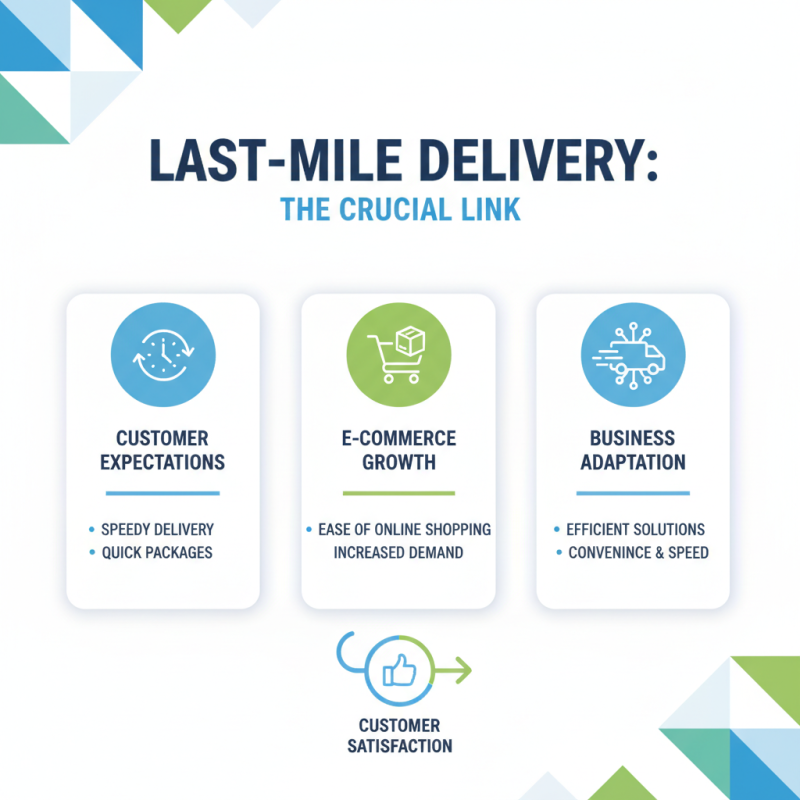
In today's fast-paced world, last-mile delivery is becoming crucial. Customers expect their packages quickly. The ease of online shopping increases the demand for efficient delivery solutions. Businesses need to adapt to these changing expectations. Customers value convenience and speed above all.
Challenges arise in optimizing last-mile delivery. Traffic congestion and narrow streets can slow down deliveries. Urban areas often face hurdles due to regulations. Reliability is also an issue. Unexpected delays can hurt customer satisfaction. Companies must rethink their strategies to address these concerns.
Alternative delivery methods are gaining traction. Drones and autonomous vehicles promise innovative solutions. These approaches, however, raise questions about safety and regulatory compliance. Businesses need to tread carefully. An effective last-mile strategy requires flexibility and innovation. As technology develops, so should the approach to delivery logistics.
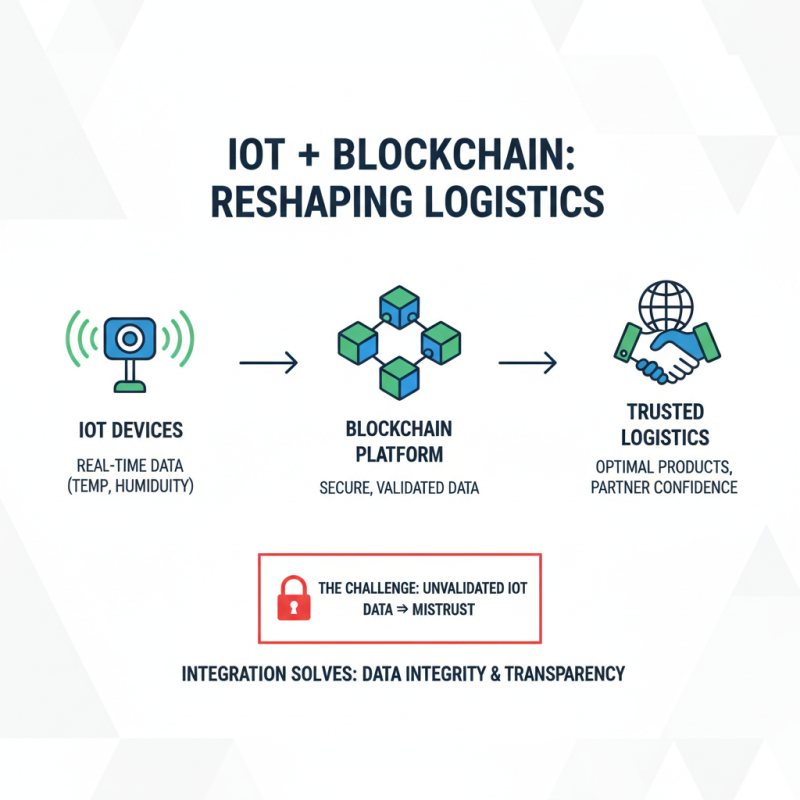
The integration of IoT and blockchain is reshaping logistics. IoT devices collect real-time data across supply chains. They monitor conditions like temperature and humidity. This ensures products remain in optimal states. However, data from these devices often lacks proper validation. That can lead to mistrust among partners.
Blockchain technology steps in here. It creates an immutable record of transactions. Each entry on the blockchain enhances transparency. It links the data from IoT devices to verified records. Yet, the challenge lies in interoperability. Different systems may struggle to communicate effectively. A unified approach is needed for smooth operations.
As logistics companies embrace these technologies, they must tread carefully. The benefits are immense, but so are the pitfalls. Ensuring data accuracy requires ongoing attention. A lapse can result in significant losses. The future of logistics hinges on overcoming these hurdles.
The shift towards e-commerce has revolutionized logistics strategies. Online shopping growth has created unique demands. Companies must adapt to ensure timely deliveries and efficient inventory management. Consumer expectations are higher than ever. Fast shipping is no longer a luxury but a necessity.
To meet these demands, logistics providers are adopting advanced technologies. Automation and AI are becoming crucial. However, many companies still face hurdles in implementation. Not all businesses can easily transition. Lack of skilled personnel and outdated infrastructure can hinder progress.
Moreover, the increase in returns has added to the complexity. E-commerce returns are often higher than traditional retail. This requires robust reverse logistics strategies. Nevertheless, many firms struggle to manage this aspect efficiently. A rethink of current practices is essential. Balancing speed and cost remains a challenge. The journey to mastering logistics in the e-commerce era is ongoing.